The Unseen Guardian: How Uniform Ventilation Thwarts Neck-Rot in Stored Onions
Did you know that improper storage can lead to a staggering loss of up to 40% of harvested onions due to diseases like neck-rot? This devastating fungal ailment, Botrytis aclada, thrives in stagnant, humid conditions, turning crisp bulbs into mushy, unmarketable messes. Fortunately, a robust defense exists: uniform ventilation. This article dives deep into how strategically managed airflow acts as an invisible shield, safeguarding your precious onion crop from the ravages of neck-rot throughout the crucial storage period. Understanding this process isn't just about preventing spoilage; it's about maximizing yield, preserving quality, and ensuring a profitable outcome for your hard work.
What is Neck-Rot and Why is it Such a Menace?
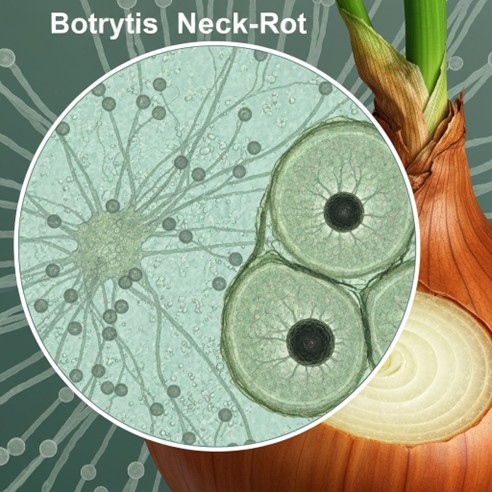
Neck-rot, also known scientifically as Botrytis neck rot or Botrytis allii, is a fungal disease that presents a significant threat to stored onions. The fungus typically enters the onion through wounds sustained during harvest or through the neck tissue after the tops have been removed. It can also infect the bulbs in the field before harvest, lying dormant until storage conditions become favorable for its development.
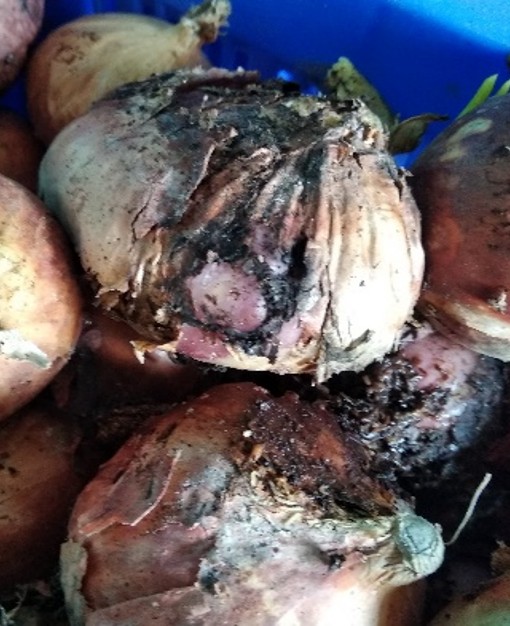
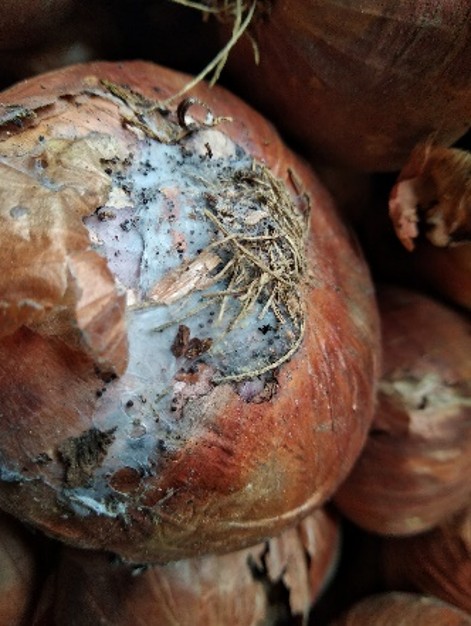
The disease manifests as a grayish-white, fluffy fungal growth, often appearing at the neck of the onion. As it progresses, this growth can spread down into the bulb, causing the outer scales to become soft, watery, and discolored, typically yellow or brown. A distinctive characteristic is the presence of black, hardened structures called sclerotia, which are essentially the resting bodies of the fungus, embedded within the infected tissue. These sclerotia are crucial for the fungus's survival and subsequent spread.
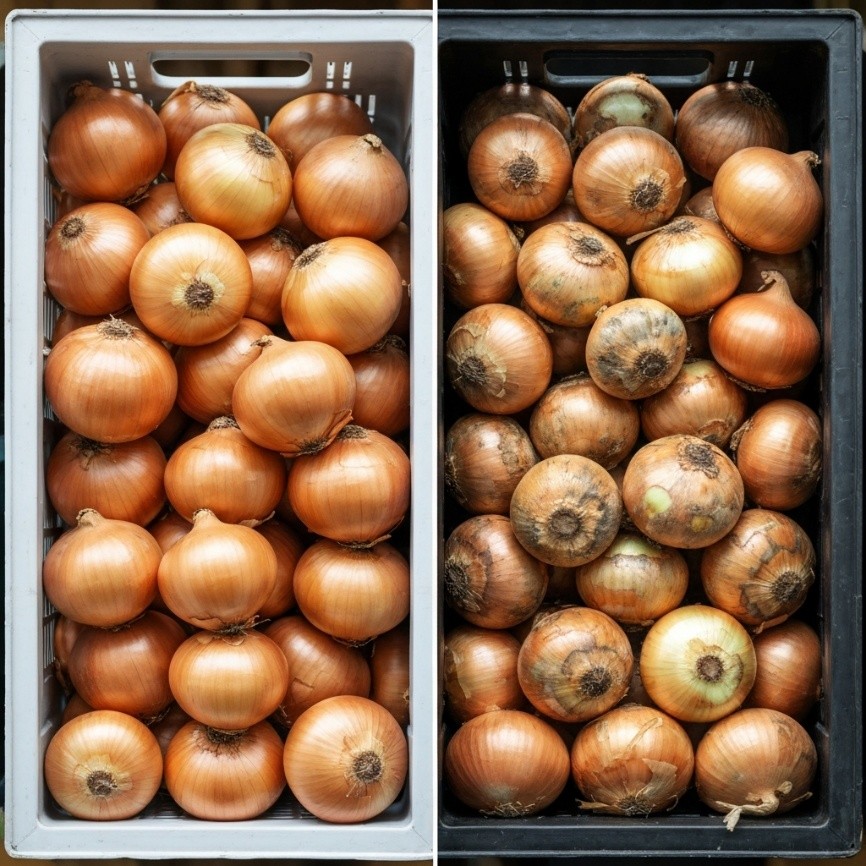
The real danger of neck-rot lies in its ability to spread rapidly within a storage environment. If one infected onion is present, the airborne spores of the fungus can easily travel to adjacent, healthy bulbs, especially in conditions of high humidity and poor air circulation. This chain reaction can quickly decimate an entire batch of stored onions, turning a potentially profitable harvest into a significant financial loss. Furthermore, the presence of neck-rot can compromise the quality of onions intended for the fresh market, affecting their appearance, texture, and shelf life. For processors, infected onions can lead to increased trimming losses and potential contamination issues. The economic implications are substantial, making effective prevention a top priority for growers and storage managers alike.
The Science Behind Onion Storage and Fungal Growth
Onions, despite their seemingly robust nature, are living organisms even after harvest. They continue to respire, releasing moisture and heat. This biological activity, combined with environmental factors, creates a delicate balance that dictates their storage life and susceptibility to disease.
Respiration is a metabolic process where stored carbohydrates are broken down to provide energy for the onion's survival. This process consumes oxygen and releases carbon dioxide, water vapor, and heat. The amount of heat and moisture released depends on factors like the onion's physiological state, temperature, and humidity. In a confined storage space, if this heat and moisture are not efficiently removed, the internal environment can become warm and humid.
Fungal pathogens like Botrytis aclada are particularly adept at exploiting these conditions. They require specific environmental parameters to germinate, grow, and sporulate. Relative humidity above 85% is a critical factor, as it allows fungal spores to rehydrate and penetrate the onion tissues. Elevated temperatures can also accelerate fungal growth and disease development. Conversely, properly controlled conditions generally inhibit fungal activity.
The physical structure of the onion also plays a role. The outer dry scales offer some protection, but any damage - cuts, bruises, or even the natural opening at the neck after curing - provides an entry point for pathogens. Once inside, the fungus can feed on the onion's stored sugars and tissues, leading to rot. The sclerotia produced by the fungus are incredibly resilient, capable of surviving for extended periods in soil and on plant debris, serving as a constant source of inoculum for future infections. Understanding these biological and pathological interactions is fundamental to developing effective storage strategies.
How Uniform Ventilation Acts as a Bulwark
Uniform ventilation is the deliberate and controlled movement of air through stored onions. It's not just about having vents; it's about ensuring that air reaches every onion consistently. This is where the "uniform" aspect becomes paramount.
Imagine a storage bin filled with onions. If air only flows through the center, the onions on the outer edges will be left in a stagnant, humid microclimate. This is precisely where neck-rot finds a breeding ground. Uniform ventilation aims to prevent these pockets of stagnation.
The primary goals of ventilation in onion storage are:
- Temperature Regulation: Removing the heat generated by onion respiration helps maintain a stable storage environment, which slows down both onion metabolism and fungal growth.
- Moisture Control: Ventilation removes excess moisture released by the onions and prevents condensation from forming on their surfaces. This is critical because free moisture on the onion scales is a prerequisite for fungal spore germination.
- Oxygen Supply: While not the primary driver for preventing neck-rot, adequate airflow ensures sufficient oxygen for the onions' own respiration, preventing anaerobic conditions that could lead to other spoilage issues.
- Pathogen Spore Removal: Moving air can carry away airborne fungal spores, reducing their concentration within the storage space and thus lowering the risk of infection.
The effectiveness of ventilation hinges on its uniformity. This means designing and operating the system so that air is distributed evenly throughout the entire mass of onions. This can be achieved through careful design of the storage structure, including the placement and size of air inlets and outlets, the type of fan used, and the configuration of the onion pile itself. For instance, using perforated flooring or strategically placed ducts allows air to be pushed or pulled through the onions from the bottom up, or pulled down from the top, ensuring that no section is neglected. Achieving this consistent air exchange creates an environment that is inhospitable to the neck-rot fungus.
Key Principles of Effective Uniform Ventilation
Implementing a successful uniform ventilation strategy requires a multi-faceted approach, considering both the physical setup and operational protocols. It’s about creating an environment where air is an active participant in disease prevention.
1. Airflow Rate and Pressure
The volume of air moved, often measured in cubic feet per minute (CFM) per ton of onions or per cubic foot of storage space, is crucial. Insufficient airflow won't effectively remove heat and moisture. However, simply moving a lot of air isn't enough; it must be distributed evenly. This is often achieved by creating a slight positive or negative pressure within the storage structure.
- Positive Pressure: Fans push air into the storage space, forcing it through the onion mass and out through designated exhaust points. This method can help keep outside contaminants from entering.
- Negative Pressure: Fans pull air out of the storage space, drawing fresh air in through controlled inlets. This can be effective for removing moisture-laden air.
The key is that the fan capacity and ductwork design must overcome the resistance of the onion mass to ensure air reaches all areas. [Source needed] A common recommendation for effective curing and storage is an airflow rate that can exchange the air within the storage space multiple times per hour, or a specific CFM per ton, depending on the stage of storage.
2. Air Distribution Systems
This is where uniformity truly comes into play. Simply blowing air at the pile won't work. Effective systems include:
- Perforated Floors: Air is supplied from below and flows upward through the entire bed of onions. This is a highly effective method for uniform distribution.
- Underground Ducts: Similar to perforated floors, but air is delivered via a network of ducts buried within or beneath the onion pile.
- Wall Ducts/Overhead Systems: Air is introduced through ducts along the walls or ceiling and directed downwards or across the pile. The design must ensure even spread.
The size and spacing of perforations or ducts are critical. Too large, and air will channel through the easiest path, bypassing much of the onion mass. Too small, and the resistance might be too high for effective airflow.
3. Storage Structure Design
The building itself plays a vital role. Factors like:
- Bin Depth and Width: Very deep or wide piles can create significant challenges for uniform air penetration. Optimal dimensions are often recommended based on airflow capacity.
- Wall and Ceiling Insulation: Proper insulation helps maintain stable internal temperatures and reduces the risk of condensation on interior surfaces, which can drip onto onions and promote disease.
- Air Inlet and Outlet Placement: These must be strategically located to facilitate the intended airflow pattern and prevent short-circuiting (where air enters and exits without passing through the bulk of the onions).
4. Onion Pile Management
How the onions are placed within the storage structure matters:
- Consistent Packing Density: Avoid overly dense packing in some areas and loose packing in others, as this affects airflow resistance.
- Curing Stage: During the initial curing phase, higher airflow rates are often used to dry the outer scales and heal any injuries. As storage progresses, rates might be adjusted.
- Avoiding Obstructions: Ensure that the ventilation system is not blocked by debris or improperly placed equipment.
5. Monitoring and Control Systems
Modern storage facilities often employ sophisticated systems to monitor temperature and humidity within the onion mass. These systems can automatically adjust fan operation based on outside air conditions (when appropriate for cooling or drying) or trigger alarms if conditions deviate from the ideal range. This proactive approach is key to maintaining the optimal environment and preventing disease outbreaks. Automated systems can be invaluable for ensuring consistent conditions without constant manual oversight, especially in large-scale operations. For example, using weather-based controllers can optimize when to bring in outside air for cooling versus when to run fans to circulate internal air, saving energy and preventing moisture buildup.
Ventilation Stages: Tailoring Airflow to Needs (For Indian Cultivars)
The requirements for ventilation change throughout the onion storage lifecycle. A one-size-fits-all approach is rarely optimal. Understanding these distinct phases allows for tailored airflow management to maximize both quality preservation and disease prevention.
Stage 1: Post-Harvest Curing
This is arguably the most critical phase for setting the stage for long-term storage and neck-rot prevention. Immediately after harvest, onions often have moist outer scales and potential field injuries. The primary goals here are:
- Drying Outer Scales: High airflow rates are used to quickly dry the outer layers of the onion. This helps to "cure" the neck, forming a tight, dry seal that acts as a barrier against fungal penetration.
- Healing Wounds: The warm, controlled air promotes the formation of a protective callus over any cuts or bruises incurred during harvest and handling.
- Removing Field Heat: Onions harvested from warm fields need to be managed quickly to reduce their metabolic rate and susceptibility to rot.
For Indian cultivars, curing temperatures should be selected between 30-34°C with controlled airflow to promote rapid drying and healing. The key is consistent, uniform airflow across the entire pile to ensure all onions cure evenly.
Stage 2: Cooling and Short-Term Storage
Once the onions are adequately cured (indicated by dry necks and healed wounds), the focus shifts to bringing them into the optimal storage climate.
- Controlled Cooling: The goal is to bring the onion temperature smoothly to the ideal storage range without causing condensation issues.
- Moisture Control: Continued ventilation is essential to remove any residual moisture and the small amount of moisture generated by continued onion respiration.
- Relative Humidity Management: For Indian onion cultivars, relative humidity (RH) must be precisely controlled between 60-65% to discourage fungal germination and rot.
Ventilation during this phase involves running fans intermittently or circulating internal air to maintain uniform temperature and humidity across the chamber.
Stage 3: Long-Term Holding Storage
This is the period where the onions are maintained at their target storage parameters for extended durations.
- Sustained Target Temperature: For Indian onion varieties, maintaining the storage temperature strictly between 24-26°C is paramount for slowing respiration, minimizing physiological weight loss, and inhibiting fungal growth.
- Controlled Relative Humidity: Relative humidity must be maintained strictly between 60-65%. Even brief spikes in humidity can trigger rotting, sprouting, or neck-rot outbreaks.
- Periodic Air Exchange: While continuous high airflow isn't usually necessary, periodic ventilation remains vital to equalize micro-climates throughout the pile, clear accumulated gases, and prevent localized moisture pockets.
Beyond Ventilation: Complementary Practices for Neck-Rot Control
While uniform ventilation is the cornerstone of neck-rot prevention, it's most effective when integrated into a broader disease management strategy. Think of ventilation as the primary defense, supported by other crucial practices.
1. Harvest Management
- Timing: Harvest onions when tops are mostly dry and mature. Avoid harvesting during wet weather, as this increases the risk of introducing moisture and pathogens.
- Minimizing Damage: Handle onions gently during digging, topping, and transport. Cuts, bruises, and broken skins are direct entry points for Botrytis. Use sharp topping knives to ensure clean cuts.
- Field Sanitation: Remove and destroy infected plant debris from previous seasons to reduce the inoculum load in the field.
2. Curing (Field and Storage)
- Adequate Field Curing: Allow onions to cure sufficiently in the field before storage, weather permitting. This naturally dries the necks and heals minor injuries.
- Controlled Storage Curing: As discussed, the initial post-harvest ventilation phase (at 30-34°C) is critical for controlled curing within the storage facility.
3. Variety Selection
Some onion varieties exhibit slightly better resistance to storage rots than others. While no variety is completely immune, selecting cultivars known for good storage potential can provide an added layer of resilience. Researching local performance data for different varieties is advisable.
4. Storage Facility Hygiene
- Cleanliness: Ensure the storage area is thoroughly cleaned between seasons. Remove all old onion debris, dust, and soil that could harbor fungal spores.
- Disinfection: Consider using approved disinfectants on storage structures and equipment, particularly if there has been a history of significant disease problems.
5. Monitoring and Early Detection
- Regular Inspections: Periodically inspect stored onions for any signs of disease, particularly in the early stages. Look for softening, discoloration, or fungal growth at the neck.
- Temperature and Humidity Logging: Use reliable sensors to track storage conditions. Maintaining temperature between 24-26°C and RH between 60-65% prevents severe losses. Early detection allows for timely intervention.
Who This Is For
This article is written for anyone involved in the storage of onions, including:
- Commercial Onion Growers: Those who produce onions on a large scale and need to store them for extended periods.
- Farm Managers and Storage Operators: Individuals responsible for the day-to-day management of agricultural storage facilities.
- Agricultural Extension Agents and Consultants: Professionals who advise growers on best practices.
- Students and Researchers: Individuals studying horticulture, plant pathology, or agricultural engineering.
Mistakes to Avoid
Several common pitfalls can undermine even the best intentions when it comes to preventing neck-rot through ventilation. Steer clear of these errors:
- Ignoring Uniformity.
- Inadequate Airflow Rates.
- Ventilating with Humid Air.
- Over-Reliance on Ventilation Alone.
- Failure to Monitor Conditions.
- Poorly Designed Storage Structures.
- Skipping the Curing Phase.
Frequently Asked Questions
What are the primary symptoms of neck-rot in stored onions?
The most noticeable signs of neck-rot include a grayish-white, fluffy fungal growth, typically found at the neck of the onion. This rot progresses downwards, causing outer scales to become soft, watery, and discolored (often yellow or brown). You might also observe hard, black structures called sclerotia embedded within the infected tissue.
How does temperature affect neck-rot development?
Neck-rot thrives in uncontrolled, warm, and humid conditions. Maintaining optimal storage temperatures between 2426°C along with controlled RH (6065%) significantly slows down respiration and suppresses Botrytis fungal growth during long-term storage of Indian cultivars.
Can ventilation completely eliminate the risk of neck-rot?
While uniform ventilation is the most effective tool for preventing neck-rot, it cannot completely eliminate the risk on its own. It significantly reduces the likelihood by creating an unfavorable environment for the fungus. A comprehensive approach is essential.
What is the ideal humidity level for storing onions to prevent neck-rot?
To inhibit neck-rot development and preserve quality in Indian onion varieties, storage environments should be maintained strictly at a relative humidity between 60% and 65%. Higher humidity (especially above 85%) provides the necessary moisture for fungal spores to germinate and infect the onions.
How often should ventilation systems run during long-term storage?
During the long-term holding phase, continuous high-volume ventilation is usually not necessary. Instead, fans might run intermittently daily or be triggered by sensors to maintain the optimal 2426°C temperature and 60-65% RH environment.
Conclusion
The battle against neck-rot in stored onions is largely won or lost based on the effectiveness of ventilation. Uniform airflow is not merely a passive component of storage; it's an active guardian. Coupled with proper curing at 30-34°C, precise climate control at 24-26°C and 60-65% RH, mindful harvest practices, meticulous sanitation, and vigilant monitoring, robust ventilation transforms storage from a potential liability into a strategic advantage, preserving the quality and value of the onion harvest season after season.
अदृश्य रक्षक: समान वायुवीजन साठवणुकीतील कांद्याची मानकुज कशी रोखते
तुम्हाला माहीत आहे का की अयोग्य साठवणुकीमुळे मानकुज सारख्या रोगांमुळे काढणी केलेल्या कांद्याचे ४०% पर्यंत प्रचंड नुकसान होऊ शकते? [संदर्भ आवश्यक] हा विनाशकारी बुरशीजन्य रोग, बोट्रिटिस अक्लाडा (Botrytis aclada), साचलेल्या आणि दमट परिस्थितीत फोफावतो, ज्यामुळे चांगले कांदे मऊ आणि विकण्यास अयोग्य होतात. सुदैवाने, एक मजबूत संरक्षण उपलब्ध आहे: समान वायुवीजन (Uniform Ventilation). हा लेख सखोल माहिती देतो की कशा प्रकारे धोरणात्मकरीत्या व्यवस्थापित केलेला हवेचा प्रवाह एक अदृश्य ढाल म्हणून कार्य करतो, आणि साठवणुकीच्या महत्त्वपूर्ण काळात तुमच्या मौल्यवान कांदा पिकाचे मानकुजपासून संरक्षण करतो. ही प्रक्रिया समजून घेणे केवळ नासाडी रोखण्याबद्दल नाही; तर ते उत्पादन वाढवणे, गुणवत्ता टिकवणे आणि तुमच्या मेहनतीचा फायदेशीर मोबदला मिळवण्याबद्दल आहे.
मानकुज (Neck-Rot) म्हणजे काय आणि तो इतका घातक का आहे?
मानकुज, ज्याला शास्त्रीय भाषेत बोट्रिटिस नेक रॉट (Botrytis neck rot) किंवा बोट्रिटिस अली (Botrytis allii) असेही म्हणतात, हा एक बुरशीजन्य रोग आहे जो साठवलेल्या कांद्यासाठी मोठा धोका निर्माण करतो. ही बुरशी सामान्यतः काढणीच्या वेळी झालेल्या जखमांमधून किंवा पाती काढल्यानंतर मानेच्या ऊतींमधून कांद्यात प्रवेश करते. काढणीपूर्वी शेतात असतानाही ती कांद्याला संक्रमित करू शकते, आणि साठवणुकीची परिस्थिती अनुकूल होईपर्यंत सुप्त अवस्थेत राहते.
हा रोग राखाडी-पांढऱ्या, कापूससारख्या बुरशीच्या वाढीच्या स्वरूपात प्रकट होतो, जो अनेकदा कांद्याच्या मानेजवळ दिसून येतो. जसा हा रोग वाढतो, तसा तो कांद्याच्या गाभ्यापर्यंत पसरतो, ज्यामुळे कांद्याचे बाह्य आवरण मऊ, पाणीदार आणि विवर्ण (पिवळे किंवा तपकरी) होते. या रोगाचे एक वैशिष्ट्य म्हणजे यामध्ये 'स्क्लेरोटिया' (sclerotia) नावाच्या काळ्या रंगाच्या कडक गाठी तयार होतात, ज्या बुरशीचे सुप्त शरीर (resting bodies) असतात आणि संक्रमित ऊतींमध्ये रुतलेल्या असतात. बुरशीच्या जगण्यासाठी आणि प्रसारासाठी या गाठी अत्यंत महत्त्वाच्या असतात.
मानकुजचा खरा धोका त्याच्या साठवणुकीत वेगाने पसरण्याच्या क्षमतेमध्ये आहे. जर एकही संक्रमित कांदा असेल, तर बुरशीचे हवेतील बीजाणू (spores) सहजपणे शेजारील निरोगी कांद्यांपर्यंत पोहोचू शकतात, विशेषतः उच्च आर्द्रता आणि खराब वायुवीजन असलेल्या ठिकाणी. ही साखळी प्रक्रिया संपूर्ण साठवलेल्या कांद्याचा नाश करू शकते, ज्यामुळे एका फायदेशीर उत्पादनाचे रूपांतर मोठ्या आर्थिक नुकसानीत होते. शिवाय, मानकुजमुळे ताज्या बाजारपेठेसाठी असलेल्या कांद्याची प्रत बिघडते, त्याचा देखावा, पोत आणि साठवणूक क्षमता कमी होते. प्रक्रिया उद्योगांसाठी, संक्रमित कांद्यामुळे अधिक कचरा (trimming losses) निर्माण होतो आणि दूषित होण्याची शक्यता वाढते. याचे आर्थिक परिणाम लक्षात घेता, प्रभावी प्रतिबंध करणे ही उत्पादक आणि साठवणूक व्यवस्थापकांसाठी सर्वोच्च प्राथमिकता आहे.
कांदा साठवणूक आणि बुरशीची वाढ यामागील विज्ञान
कांदे, त्यांच्या बाह्यतः टणक स्वरूपानंतरही, काढणीनंतरही जिवंत सजीव असतात. ते सतत श्वसन (Respiration) करत असतात, ज्यामधून ओलावा आणि उष्णता बाहेर पडते. ही जैविक क्रिया आणि पर्यावरणीय घटक मिळून एक नाजूक संतुलन तयार करतात, जे कांद्याचे साठवणूक आयुष्य आणि रोगांची शक्यता ठरवतात.
श्वसन ही एक चयापचय प्रक्रिया आहे जिथे साठवलेली कर्बोदके कांद्याच्या जगण्यासाठी ऊर्जा पुरवण्यासाठी तोडली जातात. या प्रक्रियेत ऑक्सिजन वापरला जातो आणि कार्बन डायऑक्साइड, पाण्याची वाफ आणि उष्णता बाहेर सोडली जाते. बाहेर पडणाऱ्या उष्णतेचे आणि ओलाव्याचे प्रमाण कांद्याची शारीरिक स्थिती, तापमान आणि आर्द्रतेवर अवलंबून असते. बंद साठवणूक जागेत, जर ही उष्णता आणि ओलावा कार्यक्षमतेने बाहेर काढला गेला नाही, तर अंतर्गत वातावरण गरम आणि दमट होऊ शकते.
बोट्रिटिस अक्लाडा सारखे बुरशीजन्य रोग अशा परिस्थितीचा फायदा घेण्यात पटाईत असतात. त्यांना उगवण्यासाठी आणि वाढण्यासाठी विशिष्ट पर्यावरणीय घटकांची आवश्यकता असते. उच्च सापेक्ष आर्द्रता (८५% पेक्षा जास्त) हा एक महत्त्वाचा घटक आहे, कारण यामुळे बुरशीच्या बीजाणूंना ओलावा मिळतो आणि ते कांद्याच्या ऊतींमध्ये प्रवेश करतात. उच्च तापमान बुरशीची वाढ आणि रोगाचा प्रसार वेगवान करू शकते. याउलट, योग्यरित्या नियंत्रित केलेली परिस्थिती बुरशीच्या हालचाली रोखते.
कांद्याची शारीरिक रचना देखील यात भूमिका बजावते. बाहेरील कोरडे पापुद्रे काही प्रमाणात संरक्षण देतात, पण कोणतीही जखम - काप, ओरखडे किंवा क्युरिंगनंतर मानेच्या ठिकाणची नैसर्गिक उघडी जागा - बुरशीसाठी प्रवेशद्वार ठरते. एकदा आत शिरल्यावर बुरशी कांद्यातील साखर आणि ऊतींवर जगते, ज्यामुळे कांदा कुजतो. बुरशीद्वारे तयार झालेली स्क्लेरोटिया अत्यंत लवचिक असतात, जी मातीत किंवा पिकाच्या अवशेषांवर बराच काळ जगू शकतात, आणि भविष्यातील संक्रमणासाठी स्रोत म्हणून काम करतात. प्रभावी साठवणूक धोरणे विकसित करण्यासाठी या जैविक आणि रोगविषयक प्रक्रिया समजून घेणे मूलभूत आहे.
समान वायुवीजन एक संरक्षक भिंत म्हणून कसे कार्य करते
समान वायुवीजन (Uniform Ventilation) म्हणजे साठवलेल्या कांद्यांमधून हवेची जाणीवपूर्वक आणि नियंत्रित हालचाल होय. हे केवळ व्हेंट असण्याबद्दल नाही; तर हवा प्रत्येक कांद्यापर्यंत सातत्याने पोहोचते याची खात्री करणे आहे. येथेच 'समान' (Uniform) हा पैलू अत्यंत महत्त्वाचा ठरतो.
कांद्याने भरलेल्या साठवणूक गृहाची कल्पना करा. जर हवा फक्त मधून वाहत असेल, तर कडेचे कांदे साचलेल्या, दमट सूक्ष्म हवामानात राहतील. हीच जागा मानकुजसाठी प्रजनन भूमी ठरते. समान वायुवीजनाचे उद्दिष्ट साचलेल्या हवेचे हे खिसे रोखणे आहे.
कांदा साठवणुकीतील वायुवीजनाची मुख्य उद्दिष्टे पुढीलप्रमाणे आहेत:
- तापमान नियंत्रण: कांद्याच्या श्वसनामुळे निर्माण होणारी उष्णता काढून टाकल्याने साठवणूक वातावरण स्थिर राहते, ज्यामुळे कांद्याचा चयापचय आणि बुरशीची वाढ दोन्ही मंदावते.
- ओलावा नियंत्रण: वायुवीजन कांद्याने सोडलेला अतिरिक्त ओलावा काढून टाकते आणि कांद्याच्या पृष्ठभागावर पाणी साचण्यापासून (Condensation) रोखते. बुरशीच्या बीजाणूंच्या वाढीसाठी कांद्यावर मुक्त ओलावा असणे ही पूर्वअट आहे.
- ऑक्सिजनचा पुरवठा: मानकुज रोखण्यासाठी हे प्राथमिक कारण नसले तरी, पुरेशी हवा श्वसनासाठी ऑक्सिजन पुरवते, ज्यामुळे 'ॲनेरोबिक' (अपुऱ्या ऑक्सिजनमुळे होणारी) कुजण्याची प्रक्रिया टाळली जाते.
- रोगजनकांच्या बीजाणूंचे निर्मूलन: वाहती हवा हवेतील बुरशीचे बीजाणू वाहून नेऊ शकते, ज्यामुळे संक्रमणाचा धोका कमी होतो.
वायुवीजनाची परिणामकारकता त्याच्या समानतेवर अवलंबून असते. याचा अर्थ प्रणाली अशा प्रकारे डिझाइन करणे की हवा संपूर्ण कांद्याच्या ढिगाऱ्यात सारखी विभागली जाईल. हे साठवणूक रचनेच्या डिझाइनवरून, एअर इनलेट्स आणि आउटलेट्सची जागा, पंख्यांचा प्रकार आणि कांद्याच्या ढिगाऱ्याची मांडणी यावरून साध्य केले जाऊ शकते. छिद्रयुक्त मजला (Perforated flooring) किंवा डक्ट्स वापरून हवा खालून वर किंवा वरून खाली ढकलली जाऊ शकते. असा सातत्यपूर्ण हवेचा विनिमय मानकुज बुरशीसाठी प्रतिकूल वातावरण तयार करतो.
प्रभावी समान वायुवीजनाची मुख्य तत्त्वे
यशस्वी समान वायुवीजन धोरण राबवण्यासाठी भौतिक मांडणी आणि तांत्रिक प्रोटोकॉल या दोन्हीचा विचार करणे आवश्यक आहे. हवा रोग प्रतिबंधात सक्रिय सहभागी होईल असे वातावरण तयार करणे ही गुरुकिल्ली आहे.
१. हवेच्या प्रवाहाचा दर आणि दाब (Airflow Rate & Pressure)
हवेचे प्रमाण (CFM प्रति टन) अत्यंत महत्त्वाचे असते. अपुऱ्या हवेमुळे उष्णता आणि ओलावा बाहेर पडणार नाही. फक्त हवा फिरवून चालत नाही; ती समान विभागली गेली पाहिजे. हे अनेकदा सकारात्मक (Positive) किंवा नकारात्मक (Negative) दाब तयार करून साध्य केले जाते.
- सकारात्मक दाब (Positive Pressure): पंखे साठवणुकीच्या जागेत हवा ढकलतात, ज्यामुळे ती कांद्याच्या ढिगाऱ्यातून बाहेर पडते.
- नकारात्मक दाब (Negative Pressure): पंखे साठवणुकीच्या जागेतील हवा बाहेर ओढतात, ज्यामुळे ताजी हवा आत येते.
कांद्याच्या ढिगाऱ्याचा अडथळा (Resistance) मोडून काढण्यासाठी पंख्याची क्षमता पुरेशी असावी. साठवणुकीच्या टप्प्यानुसार ठराविक CFM प्रति टन हवेचा प्रवाह असणे आवश्यक आहे.
२. हवा वितरण प्रणाली (Air Distribution Systems)
येथेच समानतेचा भाग येतो. ढिगाऱ्यावर नुसती हवा फुंकून काम होत नाही. प्रभावी प्रणालींमध्ये खालील गोष्टींचा समावेश होतो:
- छिद्रयुक्त मजले (Perforated Floors): हवा खालून पुरवली जाते आणि संपूर्ण कांद्याच्या थरातून वर वाहते.
- भूमिगत डक्ट्स (Underground Ducts): हवा कांद्याच्या ढिगाऱ्याखाली गाडलेल्या डक्ट्सच्या जाळ्याद्वारे दिली जाते.
- वॉल डक्ट्स/ओव्हरहेड सिस्टम्स: हवा भिंतीवरील किंवा छतावरील डक्ट्समधून सोडली जाते.
३. साठवणूक गृहाची रचना (Structure Design)
- खोली आणि रुंदी: खूप खोल किंवा रुंद ढिगाऱ्यांमध्ये हवा पोहोचवणे आव्हानात्मक असते.
- इन्सुलेशन: भिंती आणि छताचे इन्सुलेशन अंतर्गत तापमान स्थिर ठेवते आणि अंतर्गत पृष्ठभागावर पाणी साचण्याचा धोका कमी करते.
- इनलेट आणि आउटलेटची जागा: हवेचा प्रवाह अडथळ्याविना व्हावा यासाठी या जागा धोरणात्मकरीत्या ठरवल्या जातात.
४. ढिगाऱ्याचे व्यवस्थापन (Pile Management)
- समान घनता: कांदा भरताना तो सर्वत्र सारखा दाट असावा.
- क्युरिंग टप्पा: सुरुवातीला क्युरिंगसाठी जास्त हवा वापरली जाते, साठवणूक वाढत जाईल तसा प्रवाह कमी केला जातो.
- अडथळे टाळणे: कचरा किंवा उपकरणांमुळे हवा अडकली जाणार नाही याची काळजी घेणे.
५. देखरेख आणि नियंत्रण प्रणाली (Monitoring & Control)
आधुनिक सुविधांमध्ये कांद्याच्या ढिगाऱ्यातील तापमान आणि आर्द्रता मोजण्यासाठी प्रगत प्रणाली वापरल्या जातात. भारतीय कांद्याच्या वाणांसाठी साठवणुकीचे तापमान २४-२६°C आणि आर्द्रता ६०-६५% अचूक राखण्यासाठी स्वयंचलित ऑटोमेशन अत्यंत महत्त्वाचे ठरते.
वायुवीजनाचे टप्पे: गरजेनुसार हवेचे व्यवस्थापन (भारतीय वाणांसाठी)
टप्पा १: काढणीनंतरचे क्युरिंग (Curing)
हा सर्वात महत्त्वाचा टप्पा आहे. मुख्य उद्दिष्टे: बाहेरचे पापुद्रे वाळवणे जेणेकरून मानेची जागा कडक (Cure) होईल आणि बुरशीला प्रवेश मिळणार नाही, जखमा भरणे आणि शेतातील उष्णता काढणे. भारतीय वाणांसाठी क्युरिंगचे तापमान ३०-३४°C दरम्यान निवडावे.
टप्पा २: योग्य हवामानानुसार साठवणूक
क्युरिंगनंतर कांद्याला योग्य साठवणुकीच्या हवामानात आणले जाते. या टप्प्यात सापेक्ष आर्द्रता (RH) अचूकपणे ६०-६५% दरम्यान नियंत्रित करणे आवश्यक आहे जेणेकरून बुरशीची वाढ रोखली जाईल.
टप्पा ३: दीर्घकालीन साठवणूक
भारतीय कांद्यासाठी दीर्घकालीन साठवणुकीदरम्यान तापमान २४-२६°C आणि आर्द्रता (RH) ६०-६५% या मर्यादेत अत्यंत अचूक राखणे आवश्यक आहे. या योग्य हवामानामुळे कांद्याचे श्वसन मंदावते, वजनातील घट कमी होते आणि मानकुज किंवा इतर सड थांबते.
वायुवीजनापलीकडे: मानकुज नियंत्रणासाठी पूरक पद्धती
- काढणी व्यवस्थापन: पाती वाळल्यावरच काढणी करावी. ओल्या हवामानात काढणी टाळावी. तीक्ष्ण सुऱ्या वापरून मानेचा काप स्वच्छ द्यावा.
- क्युरिंग व्यवस्थापन: ३०-३४°C तापमानात योग्य क्युरिंग करून मगच साठवणूक करावी.
- स्वच्छता आणि हायजीन: साठवणुकीची जागा हंगामापूर्वी निर्जंतुक करावी.
- वाणांची निवड: साठवणुकीत टिकणाऱ्या वाणांची निवड करावी.
- देखरेख: सेन्सर्स वापरून तापमान (२४-२६°C) आणि आर्द्रता (६०-६५%) यांची अचूक नोंद ठेवावी.
हे कोणासाठी आहे?
- व्यावसायिक कांदा उत्पादक.
- फार्म मॅनेजर्स आणि साठवणूक केंद्र चालक.
- कृषी विस्तार अधिकारी आणि सल्लागार.
- विद्यार्थी आणि संशोधक.
- घरगुती बागायतदार.
हे कोणासाठी नाही?
- किरकोळ बाजारपेठेतून कांदा विकत घेणारे ग्राहक.
- अत्यल्प प्रमाणात साठवणूक करणारे लोक.
- इतर कांदा रोगांची माहिती शोधणारे.
- तात्काळ तोडगा (Quick Fixes) शोधणारे.
टाळायच्या चुका
- वायुवीजनाच्या समानतेकडे दुर्लक्ष करणे.
- अपुरा हवेचा प्रवाह.
- दमट हवेने वायुवीजन करणे.
- केवळ वायुवीजनावर विसंबून राहणे (स्वच्छता आणि काढणीकडे दुर्लक्ष करणे).
- तापमान २४-२६°C आणि आर्द्रता ६०-६५% च्या बाहेर जाऊ देणे.
- चुकीची साठवणूक रचना.
- क्युरिंगचा टप्पा वगळणे.
वारंवार विचारले जाणारे प्रश्न
मानकुजची मुख्य लक्षणे काय आहेत?
कांद्याच्या मानेवर राखाडी-पांढरी बुरशी वाढणे, कांदा मऊ होणे आणि आत काळ्या स्क्लेरोटिया गाठी तयार होणे ही मुख्य लक्षणे आहेत.
तापमानाचा मानकुजवर काय परिणाम होतो?
भारतीय वाणांसाठी साठवणुकीचे तापमान २४-२६°C आणि आर्द्रता ६०-६५% नियंत्रित ठेवल्यास कांद्याचे श्वसन मंदावते आणि बुरशीची वाढ प्रभावीपणे रोखली जाते.
वायुवीजन धोका पूर्णपणे नष्ट करू शकते का?
नाही, पण ते धोका लक्षणीयरीत्या कमी करते. इतर सर्वोत्तम पद्धतींची जोड दिल्यास जास्तीत जास्त संरक्षण मिळते.
साठवणुकीसाठी आदर्श आर्द्रता किती?
भारतीय कांद्याच्या वाणांसाठी साठवणूक कक्षात सापेक्ष आर्द्रता अचूकपणे ६०% ते ६५% दरम्यान नियंत्रित ठेवली पाहिजे.
निष्कर्ष
साठवलेल्या कांद्यातील मानकुज विरुद्धची लढाई मुख्यत्वे वायुवीजनाच्या परिणामकारकतेवर आणि अचूक हवामान नियंत्रणावर अवलंबून असते. ३०-३४°C दरम्यान क्युरिंग आणि २४-२६°C तापमान व ६०-६५% आर्द्रतेवर साठवणूक केल्यास मानकुज आणि इतर नुकसानीवर पूर्णपणे मात करता येते.
अनदेखा रक्षक: समान वेंटिलेशन भंडारित प्याज में गर्दन-सड़न (Neck-Rot) को कैसे रोकता है
क्या आप जानते हैं कि अनुचित भंडारण के कारण नेक-रॉट (गर्दन-सड़न) जैसी बीमारियों से कटी हुई प्याज का 40% तक भारी नुकसान हो सकता है? [स्रोत आवश्यक] यह विनाशकारी कवक रोग, बोट्रिटिस एक्लाडा (Botrytis aclada), ठहरी हुई और आर्द्र परिस्थितियों में पनपता है, जिससे अच्छे प्याज नरम और न बिकने योग्य कचरे में बदल जाते हैं। सौभाग्य से, एक मजबूत बचाव मौजूद है: समान वेंटिलेशन। यह लेख गहराई से बताता है कि कैसे रणनीतिक रूप से प्रबंधित वायु प्रवाह एक अदृश्य ढाल के रूप में कार्य करता है, जो भंडारण की महत्वपूर्ण अवधि के दौरान आपकी कीमती प्याज की फसल को नेक-रॉट के प्रकोप से बचाता है। इस प्रक्रिया को समझना केवल सड़न को रोकना नहीं है; यह पैदावार को अधिकतम करने, गुणवत्ता बनाए रखने और आपकी कड़ी मेहनत का लाभदायक परिणाम सुनिश्चित करने के बारे में है।
नेक-रॉट (गर्दन-सड़न) क्या है और यह इतना बड़ा खतरा क्यों है?
नेक-रॉट, जिसे वैज्ञानिक रूप से बोट्रिटिस नेक रॉट (Botrytis neck rot) या बोट्रिटिस एली (Botrytis allii) के रूप में भी जाना जाता है, एक कवक रोग है जो भंडारित प्याज के लिए एक महत्वपूर्ण खतरा पैदा करता है। यह कवक आमतौर पर कटाई के दौरान लगी चोटों के माध्यम से या पत्तियों को हटाने के बाद गर्दन के ऊतकों के माध्यम से प्याज में प्रवेश करता है। यह कटाई से पहले खेत में भी प्याज को संक्रमित कर सकता है, और भंडारण की स्थिति अनुकूल होने तक सुप्त अवस्था में रहता है।
यह रोग धूसर-सफेद, शराबी कवक वृद्धि के रूप में प्रकट होता है, जो अक्सर प्याज की गर्दन पर दिखाई देता है। जैसे-जैसे यह बढ़ता है, यह वृद्धि प्याज के अंदर फैल सकती है, जिससे बाहरी छिलके नरम, पानीदार और बदरंग (आमतौर पर पीले या भूरे) हो जाते हैं। एक विशिष्ट विशेषता काले, कठोर संरचनाओं की उपस्थिति है जिन्हें 'स्क्लेरोटिया' (sclerotia) कहा जाता है, जो अनिवार्य रूप से कवक के सुप्त शरीर (resting bodies) होते हैं और संक्रमित ऊतकों के भीतर बसे होते हैं। ये स्क्लेरोटिया कवक के जीवित रहने और बाद के प्रसार के लिए बहुत महत्वपूर्ण हैं।
नेक-रॉट का असली खतरा भंडारण के वातावरण में तेजी से फैलने की इसकी क्षमता में निहित है। यदि एक भी संक्रमित प्याज मौजूद है, तो कवक के हवाई बीजाणु (spores) आसानी से पास के स्वस्थ प्याज तक पहुंच सकते हैं, विशेष रूप से उच्च आर्द्रता और खराब वायु संचलन की स्थिति में। यह श्रृंखला प्रतिक्रिया भंडारित प्याज के पूरे बैच को जल्दी से नष्ट कर सकती है, जिससे संभावित रूप से लाभदायक फसल एक महत्वपूर्ण वित्तीय नुकसान में बदल जाती है। इसके अलावा, नेक-रॉट ताजी बाजार के लिए लक्षित प्याज की गुणवत्ता को खराब कर सकता है, जिससे उनकी दिखावट, बनावट और शेल्फ लाइफ प्रभावित होती है। प्रोसेसर के लिए, संक्रमित प्याज से कचरा (trimming losses) बढ़ता है और संदूषण का खतरा रहता है। आर्थिक प्रभाव काफी गहरा है, जिससे प्रभावी रोकथाम उत्पादकों और भंडारण प्रबंधकों के लिए सर्वोच्च प्राथमिकता बन जाती है।
प्याज भंडारण और कवक वृद्धि के पीछे का विज्ञान
प्याज, अपने मजबूत स्वभाव के बावजूद, कटाई के बाद भी जीवित जीव हैं। वे श्वसन (Respiration) जारी रखते हैं, जिससे नमी और गर्मी निकलती है। यह जैविक गतिविधि और पर्यावरणीय कारक मिलकर एक नाजुक संतुलन बनाते हैं, जो प्याज की भंडारण आयु और बीमारी की संवेदनशीलता को निर्धारित करते हैं।
श्वसन एक चयापचय प्रक्रिया है जहां प्याज के जीवित रहने के लिए ऊर्जा प्रदान करने हेतु भंडारित कार्बोहाइड्रेट तोड़े जाते हैं। इस प्रक्रिया में ऑक्सीजन का उपयोग होता है और कार्बन डाइऑक्साइड, जल वाष्प और ऊष्मा निकलती है। गर्मी और नमी की मात्रा प्याज की स्थिति, तापमान और आर्द्रता पर निर्भर करती है। बंद भंडारण स्थान में, यदि इस गर्मी और नमी को कुशलतापूर्वक नहीं निकाला जाता है, तो आंतरिक वातावरण गर्म और आर्द्र हो सकता है।
बोट्रिटिस एक्लाडा जैसे कवक रोग इन स्थितियों का लाभ उठाने में माहिर होते हैं। उन्हें अंकुरित होने और बढ़ने के लिए विशिष्ट पर्यावरणीय मापदंडों की आवश्यकता होती है। सापेक्ष आर्द्रता 85% से अधिक होना एक महत्वपूर्ण कारक है, क्योंकि यह कवक बीजाणुओं को पुनर्जलीकृत (rehydrate) होने और प्याज के ऊतकों में प्रवेश करने की अनुमति देती है। उच्च तापमान कवक के विकास और रोग के प्रसार को और तेज कर सकता है। इसके विपरीत, सटीक रूप से नियंत्रित परिस्थितियाँ कवक की गतिविधियों को रोकती हैं।
प्याज की भौतिक संरचना भी इसमें भूमिका निभाती है। बाहरी सूखे छिलके कुछ सुरक्षा प्रदान करते हैं, लेकिन कोई भी क्षति - कट, खरोंच, या क्युरिंग के बाद गर्दन पर प्राकृतिक खुला हिस्सा - रोगजनकों के लिए प्रवेश द्वार बन जाता है। एक बार अंदर जाने के बाद, कवक प्याज की शर्करा और ऊतकों पर फ़ीड कर सकता है, जिससे सड़न पैदा होती है। कवक द्वारा उत्पादित स्क्लेरोटिया अविश्वसनीय रूप से लचीले होते हैं, जो मिट्टी और फसल के मलबे पर लंबे समय तक जीवित रहने में सक्षम होते हैं, और भविष्य के संक्रमणों के लिए स्रोत के रूप में काम करते हैं। इन जैविक और रोगविज्ञानी प्रक्रियाओं को समझना प्रभावी भंडारण रणनीतियों को विकसित करने के लिए मौलिक है।
समान वेंटिलेशन एक सुरक्षा कवच (Bulwark) के रूप में कैसे कार्य करता है
समान वेंटिलेशन (Uniform Ventilation) भंडारित प्याज के माध्यम से हवा का जानबूझकर और नियंत्रित संचार है। यह केवल निकास द्वार होने के बारे में नहीं है; यह सुनिश्चित करने के बारे में है कि हवा हर प्याज तक लगातार पहुंचे। यहीं 'समानता' (Uniform) का पहलू सर्वोपरि हो जाता है।
कल्पना करें कि प्याज से भरा एक बड़ा बिन है। यदि हवा केवल केंद्र से बहती है, तो बाहरी किनारों के प्याज ठहरी हुई, नम सूक्ष्म-जलवायु में रह जाएंगे। यहीं पर नेक-रॉट को पनपने की जगह मिलती है। समान वेंटिलेशन का उद्देश्य इन ठहराव वाले क्षेत्रों को रोकना है।
प्याज भंडारण में वेंटिलेशन के प्राथमिक लक्ष्य हैं:
- तापमान विनियमन: प्याज के श्वसन से उत्पन्न गर्मी को हटाकर भंडारण वातावरण को स्थिर रखना, जिससे प्याज का चयापचय और कवक की वृद्धि दोनों धीमी हो जाती है।
- नमी नियंत्रण: प्याज द्वारा छोड़ी गई अतिरिक्त नमी को हटाना और उनकी सतह पर कंडेनसेशन (ओस) को रोकना। यह महत्वपूर्ण है क्योंकि कवक बीजाणुओं के अंकुरण के लिए नमी का होना पहली शर्त है।
- ऑक्सीजन की आपूर्ति: श्वसन के लिए पर्याप्त ऑक्सीजन सुनिश्चित करना, जिससे अन्य सड़न पैदा करने वाली अवायवीय (anaerobic) स्थितियों को रोका जा सके।
- रोगजनकों का निष्कासन: बहती हवा हवाई कवक बीजाणुओं को अपने साथ ले जा सकती है, जिससे भंडारण स्थान के भीतर उनकी सांद्रता कम हो जाती है।
वेंटिलेशन की प्रभावशीलता इसकी समानता पर निर्भर करती है। इसका अर्थ है सिस्टम को इस तरह से डिजाइन और संचालित करना कि हवा प्याज के पूरे ढेर में समान रूप से वितरित हो। यह भंडारण संरचना के डिजाइन, एयर इनलेट्स और आउटलेट्स के स्थान, पंखे के प्रकार और प्याज के ढेर के विन्यास के माध्यम से प्राप्त किया जा सकता है। छिद्रित फर्श (Perforated floors) या डक्ट्स का उपयोग हवा को नीचे से ऊपर की ओर धकेलने या ऊपर से नीचे खींचने के लिए किया जा सकता है, जिससे यह सुनिश्चित होता है कि कोई भी भाग उपेक्षित न रहे।
प्रभावी समान वेंटिलेशन के मुख्य सिद्धांत
एक सफल समान वेंटिलेशन रणनीति के लिए भौतिक सेटअप और परिचालन प्रोटोकॉल दोनों पर विचार करना आवश्यक है। हवा को रोग रोकथाम में एक सक्रिय भागीदार बनाना ही उद्देश्य है।
१. वायु प्रवाह दर और दबाव (Airflow Rate & Pressure)
हवा का आयतन (CFM प्रति टन) बहुत महत्वपूर्ण है। अपर्याप्त वायु प्रवाह गर्मी और नमी को प्रभावी ढंग से नहीं हटा पाएगा। हवा को प्याज के ढेर के प्रतिरोध को पार करना चाहिए ताकि वह सभी क्षेत्रों तक पहुँच सके। यह अक्सर भंडारण संरचना के भीतर थोड़ा सकारात्मक (Positive) या नकारात्मक (Negative) दबाव बनाकर प्राप्त किया जाता है।
- सकारात्मक दबाव (Positive Pressure): पंखे हवा को भंडारण स्थान में धकेलते हैं।
- नकारात्मक दबाव (Negative Pressure): पंखे हवा को भंडारण स्थान से बाहर खींचते हैं, जिससे नियंत्रित इनलेट्स से ताजी हवा अंदर आती है।
२. वायु वितरण प्रणाली (Air Distribution Systems)
समानता यहीं से शुरू होती है। प्रभावी प्रणालियों में शामिल हैं: छिद्रित फर्श (Perforated Floors), भूमिगत डक्ट्स (Underground Ducts), और वॉल डक्ट्स/ओवरहेड सिस्टम। डक्ट्स या छिद्रों का आकार और अंतराल बहुत महत्वपूर्ण है।
३. भंडारण संरचना डिजाइन (Storage Structure Design)
- बिन की गहराई और चौड़ाई: बहुत गहरे ढेर हवा के प्रवेश के लिए चुनौतियाँ पैदा करते हैं।
- इन्सुलेशन: दीवारों और छतों का इन्सुलेशन आंतरिक तापमान को स्थिर रखने और कंडेनसेशन के जोखिम को कम करने में मदद करता है।
- इनलेट और आउटलेट का स्थान: इन्हें रणनीतिक रूप से रखा जाना चाहिए ताकि वायु प्रवाह का इच्छित पैटर्न बना रहे।
४. प्याज के ढेर का प्रबंधन (Pile Management)
- समान घनत्व: प्याज भरते समय वह हर जगह समान रूप से घना होना चाहिए।
- क्युरिंग चरण: शुरुआत में क्युरिंग के लिए उच्च वायु प्रवाह का उपयोग किया जाता है।
- अवरोधों से बचना: कचरे या गलत जगह रखे उपकरणों से हवा का प्रवाह न रुके, इसका ध्यान रखना।
५. निगरानी और नियंत्रण प्रणाली (Monitoring & Control)
आधुनिक सुविधाओं में तापमान और आर्द्रता की निगरानी के लिए सेंसर और स्वचालित सिस्टम का उपयोग किया जाता है। भारतीय किस्मों के लिए २४-२६°C तापमान और ६०-६५% सापेक्ष आर्द्रता सटीक बनाए रखने से भारी नुकसान से बचाव होता है।
वेंटिलेशन के चरण: जरूरतों के अनुसार वायु प्रवाह (भारतीय किस्मों के लिए)
चरण १: कटाई के बाद क्युरिंग (Curing)
यह सबसे महत्वपूर्ण चरण है। भारतीय किस्मों के लिए क्युरिंग तापमान ३०-३४°C के बीच चुना जाना चाहिए, जिससे बाहरी छिलके जल्दी सूखते हैं और गर्दन बंद (Cure) हो जाती है।
चरण २: कूलिंग और अल्पकालिक भंडारण
क्युरिंग के बाद, तापमान को नियंत्रित रूप से भंडारण मापदंडों पर लाया जाता है। इस दौरान सापेक्ष आर्द्रता (RH) को ६०-६५% के बीच नियंत्रित करना आवश्यक है।
चरण ३: दीर्घकालिक भंडारण
भारतीय प्याज की किस्मों के लिए दीर्घकालिक भंडारण के दौरान तापमान २४-२६°C और सापेक्ष आर्द्रता (RH) ६०-६५% के बीच सख्ती से नियंत्रित रखी जानी चाहिए। यह सटीक वातावरण प्याज के श्वसन और वजन की कमी को न्यूनतम रखता है और नेक-रॉट को रोकता है।
वेंटिलेशन के अलावा: नेक-रॉट नियंत्रण के पूरक उपाय
- कटाई प्रबंधन: प्याज की टॉप्स सूखने पर ही कटाई करें। गीले मौसम में कटाई से बचें।
- क्युरिंग प्रबंधन: ३०-३४°C तापमान पर सही क्युरिंग करने के बाद ही भंडारण करें।
- स्वच्छता: हर सीजन से पहले भंडारण क्षेत्र को साफ और कीटाणुरहित करें।
- किस्म का चयन: अच्छी भंडारण क्षमता वाली किस्मों का चयन करें।
- निगरानी: सेंसर का उपयोग करके नियमित रूप से २४-२६°C तापमान और ६०-६५% नमी बनाए रखें।
यह किसके लिए है?
- व्यावसायिक प्याज उत्पादक।
- फार्म मैनेजर और भंडारण केंद्र संचालक।
- कृषि विस्तार एजेंट और सलाहकार।
- छात्र और शोधकर्ता।
- घरेलू बागवान (बड़ी फसल वाले)।
यह किसके लिए नहीं है?
- खुदरा दुकानों से प्याज खरीदने वाले उपभोक्ता।
- बहुत कम मात्रा में प्याज उगाने वाले।
- अन्य प्याज रोगों की जानकारी चाहने वाले।
- त्वरित समाधान (Quick Fixes) की तलाश करने वाले।
की जाने वाली सामान्य गलतियाँ
- समानता (Uniformity) की अनदेखी करना।
- अपर्याप्त वायु प्रवाह दर।
- नम हवा के साथ वेंटिलेशन करना।
- केवल वेंटिलेशन पर निर्भर रहना।
- तापमान २४-२६°C और आर्द्रता ६०-६५% की सीमा से बाहर जाने देना।
- खराब भंडारण संरचना डिजाइन।
- क्युरिंग चरण को छोड़ देना।
अक्सर पूछे जाने वाले प्रश्न
भंडारित प्याज में नेक-रॉट के प्राथमिक लक्षण क्या हैं?
प्याज की गर्दन पर धूसर-सफेद बुरशी का दिखना, प्याज का नरम होना और उसके अंदर काली 'स्क्लेरोटिया' गांठों का पाया जाना मुख्य लक्षण हैं।
तापमान नेक-रॉट को कैसे प्रभावित करता है?
भारतीय किस्मों के लिए २४-२६°C तापमान और ६०-६५% आर्द्रता नियंत्रित रखने से प्याज का श्वसन धीमा हो जाता है और फंगस की वृद्धि पूरी तरह दब जाती है।
क्या वेंटिलेशन जोखिम को पूरी तरह खत्म कर सकता है?
नहीं, लेकिन यह जोखिम को काफी कम कर देता है। अन्य सर्वोत्तम प्रथाओं के साथ मिलकर यह अधिकतम सुरक्षा प्रदान करता है।
भंडारण के लिए आदर्श नमी का स्तर क्या है?
भारतीय प्याज की किस्मों के लिए भंडारण कक्ष में सापेक्ष आर्द्रता ६०% से ६५% के बीच ही नियंत्रित की जानी चाहिए।
निष्कर्ष
भंडारित प्याज में नेक-रॉट के खिलाफ लड़ाई वेंटिलेशन की प्रभावशीलता और सटीक तापमान नियंत्रण पर निर्भर करती है। ३०-३४°C पर क्युरिंग और २४-२६°C व ६०-६५% RH पर भंडारण करने से फसल की शेल्फ लाइफ और मूल्य दोनों सुरक्षित रहते हैं।